
Human Fraternity Conference 2026
Human Fraternity Conference 2026
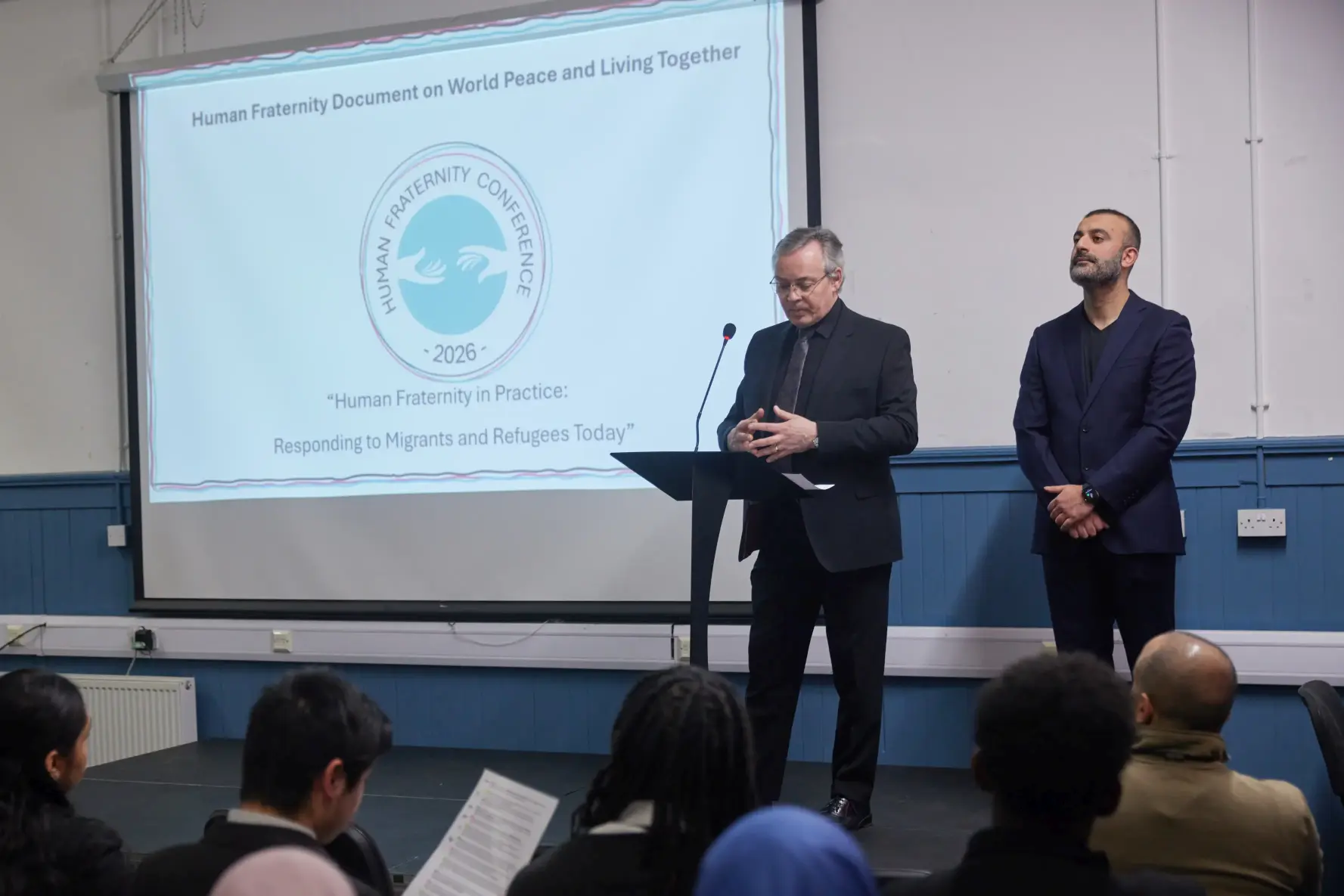
Human Fraternity In Practice: Responding to Migrants and Refugees Today
Report
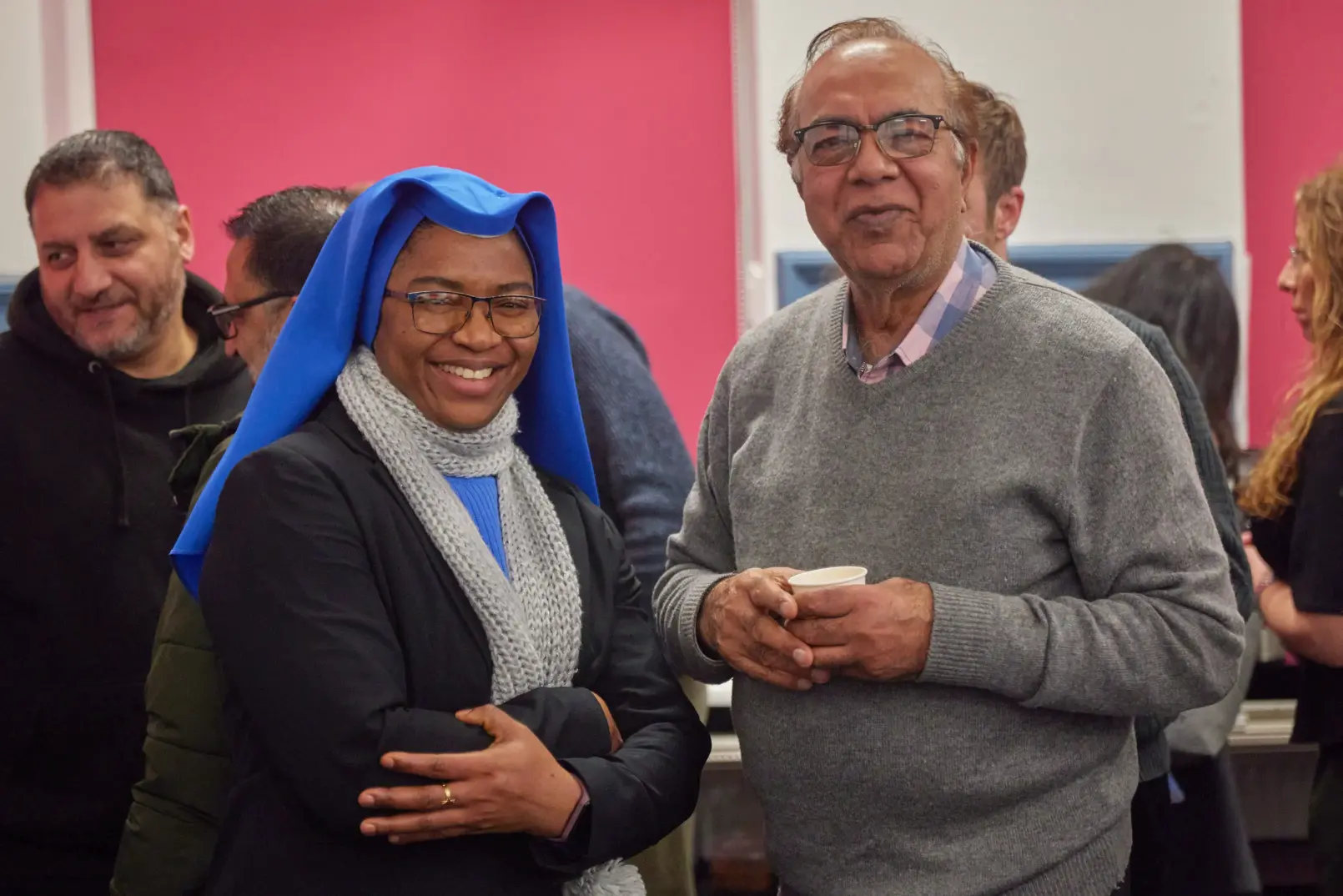
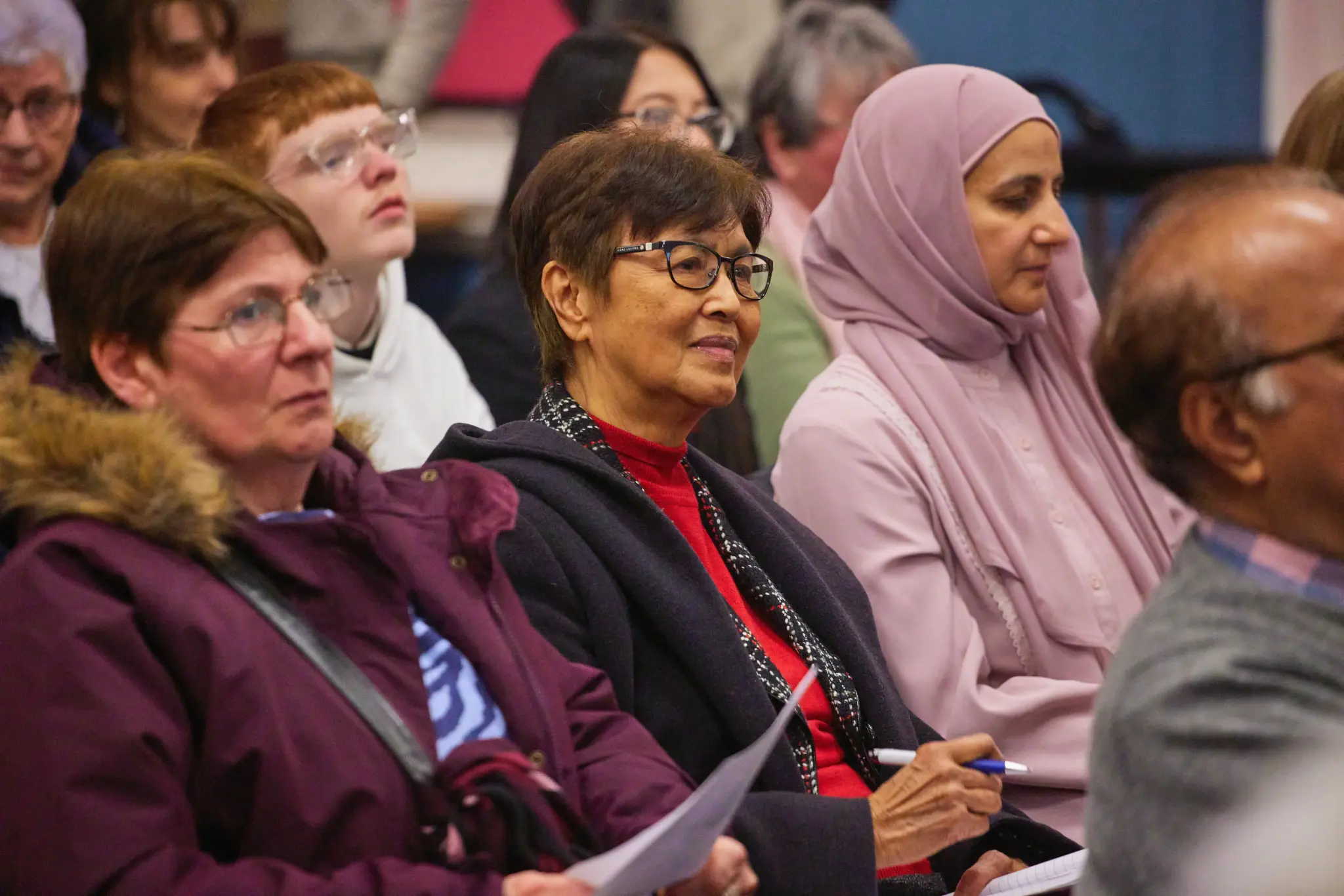
This conference occurs every year in February to commemorate the signing of the Document on Human Fraternity for Peace and Living together, on 4th February 2019 by Pope Francis on behalf of the Catholic community and the Grand Imam of Al-Azhar, Sheikh Ahmed al-Tayeb, on behalf of the Muslim community. Its aim - to find a pathway to a universal peace that everyone can enjoy in this life. The planning group from the Bishops’ Committee on Inter-religious Dialogue and the (Shia) Ahl-Al Beit Society decided that the 2026 conference should deal with the ‘hot’ topic of migrants and refugees. It took place in the Albany Centre, newly acquired by the Ahl Al-Beit Society, and the hall was full.
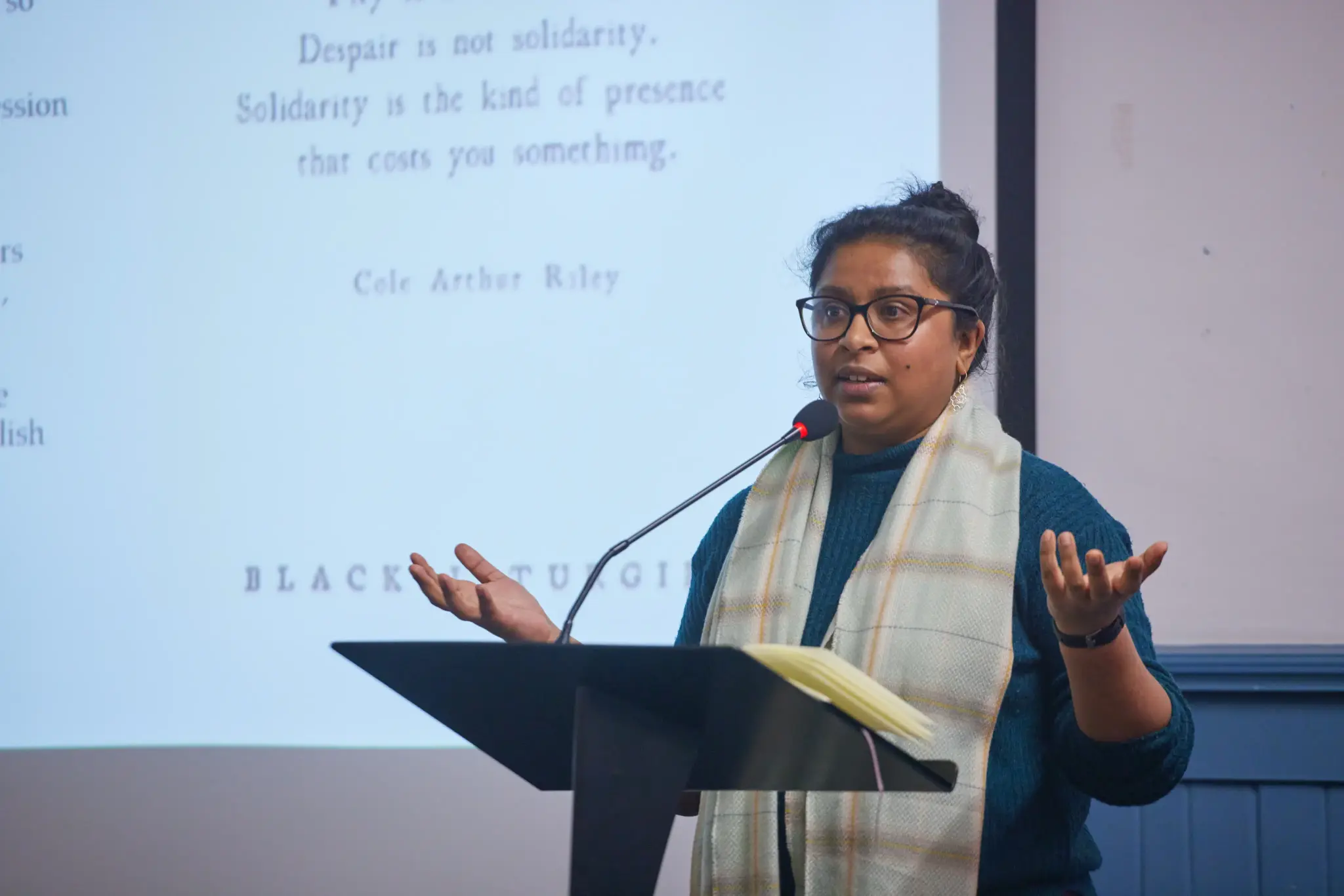
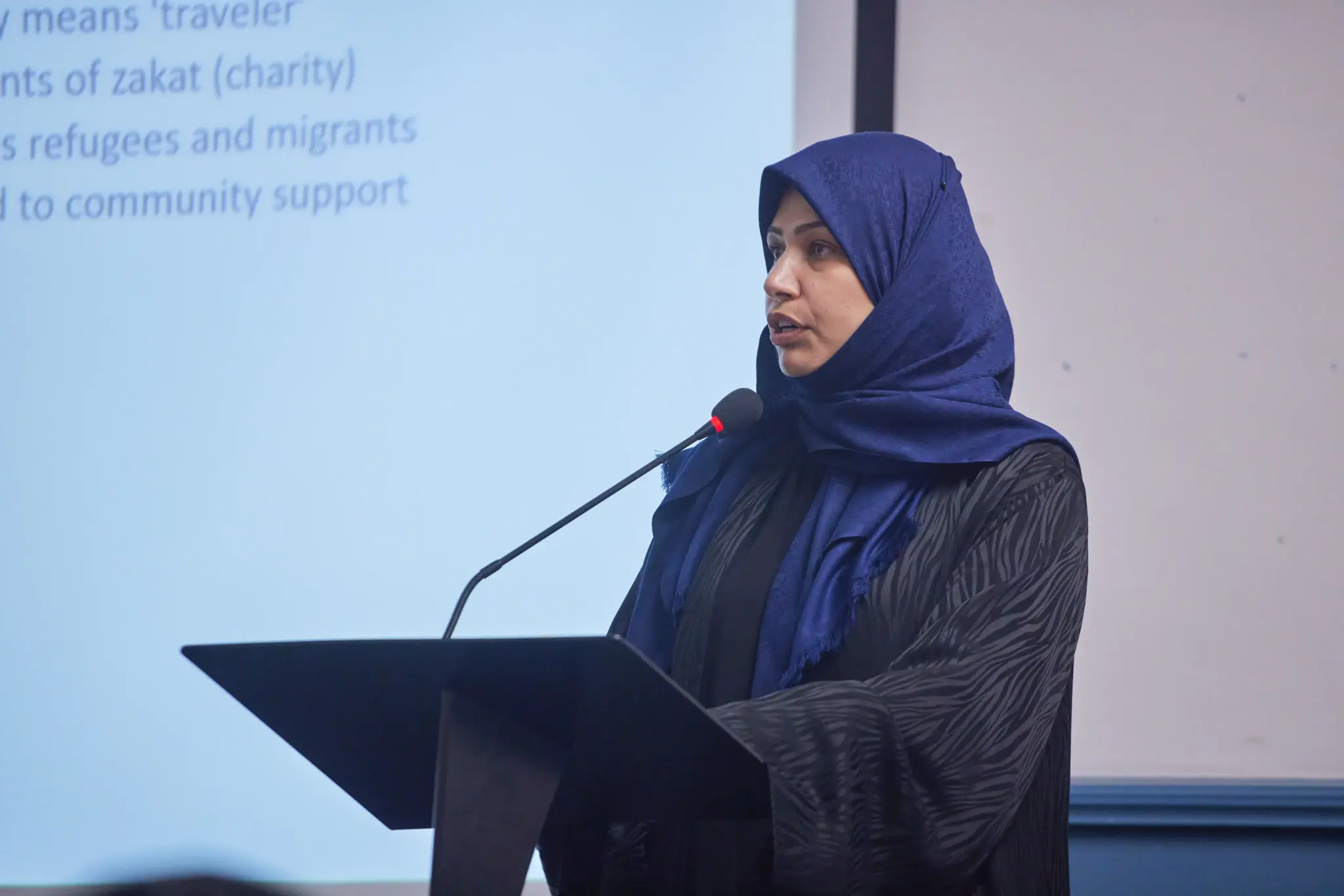
After the opening prayer, the conference began with keynote speeches from two academics - Dr Anupama Ranawana of Sri Lankan heritage and a Catholic theologian from the University of Durham and Sara Abidi a lecturer in the Islamic College in London – explored how the two faith traditions looked at migrants and refugees and they were amazingly similar.
Dr. Ranawana dealt with what was “required of us now in this time of our undoing” and looked to Catholic Social Teaching for guidance on our dealings with migrants and refugees, insisting that neither pity nor despair is solidarity but that solidarity as a central principle of Catholic Social Teaching is the kind of pressure that costs you something in being a social movement of all people of goodwill confronting oppression together.
Miss Abidi outlined the Islamic approach to migration and protection, saying that asylum was a moral and legal duty in Islam and applied to all Muslims and non-Muslims. The Islamic teaching on asylum applies not only to people fleeing persecution, as the Refugee Convention of 1951 states, but also to economic migrants, people who flee poverty which includes many of those migrants waiting in Calais to cross the English Channel to the UK.
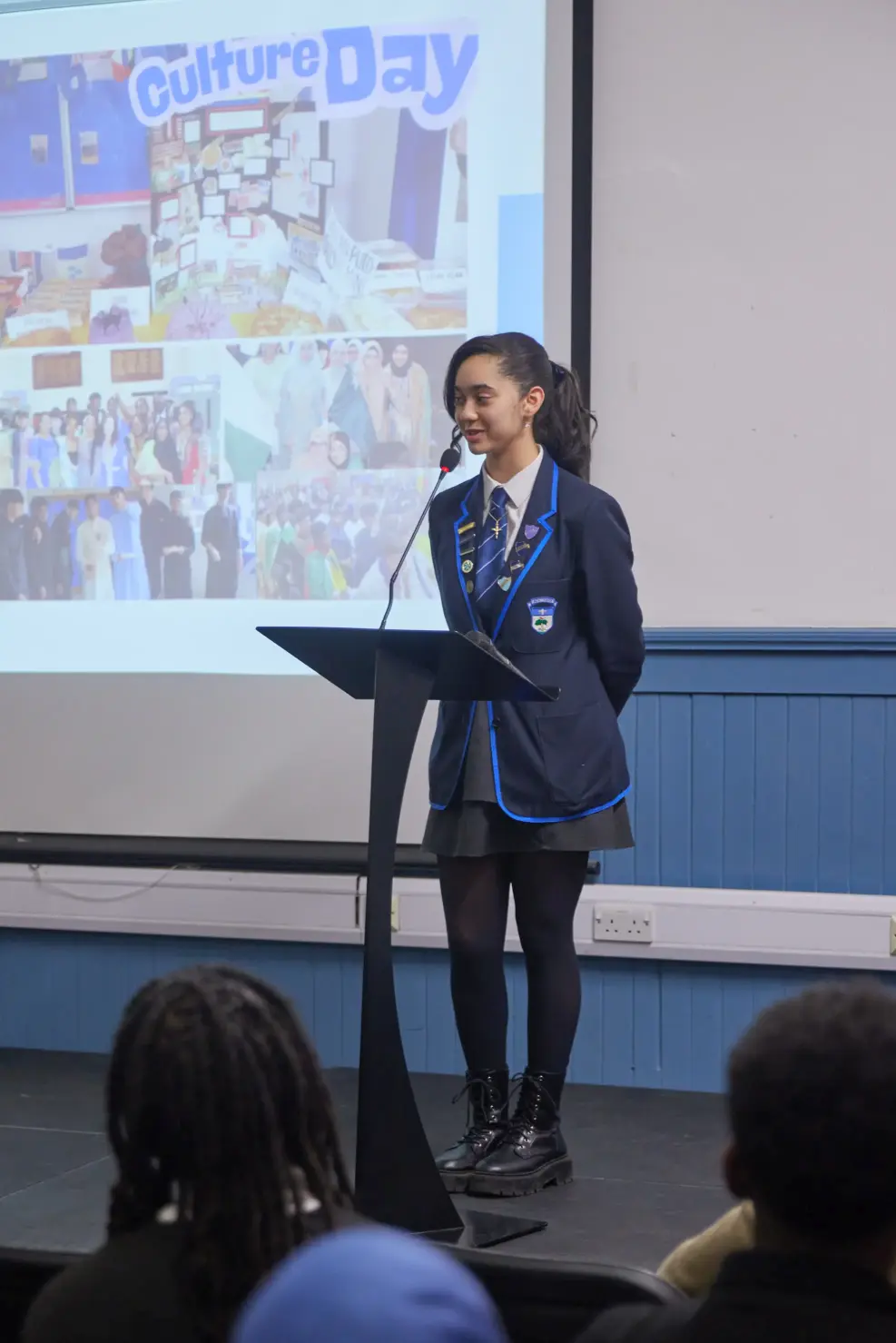
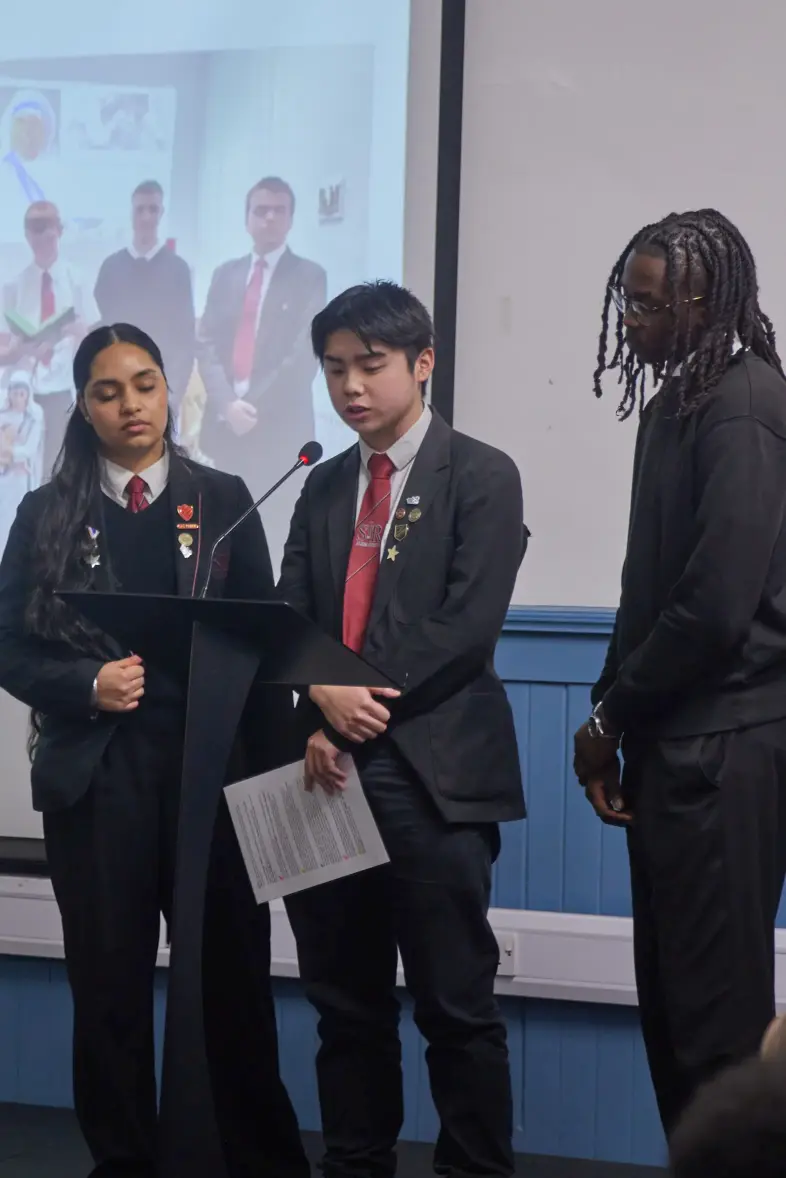
The two theologians set the scene for the second part of the conference - presentations from pupils of Holyrood and St Roch’s Secondary in Glasgow. Both schools had been involved in workshops introducing them to the key principles of the document before engaging in a wide range of interreligious activities and dialogue. Each group of students told us about their origins introducing themselves and saying where they or their parents originated from, beginning with countries close to Scotland like Ireland but extending to Nigeria, Poland, Algeria and beyond. They explained how events such as this commemoration of the Human Fraternity Document removed the likelihood of religious discrimination and how pupils “were proud of their diversity in their school”. They ended with “Becoming a refugee is never a choice but how we respond is”.
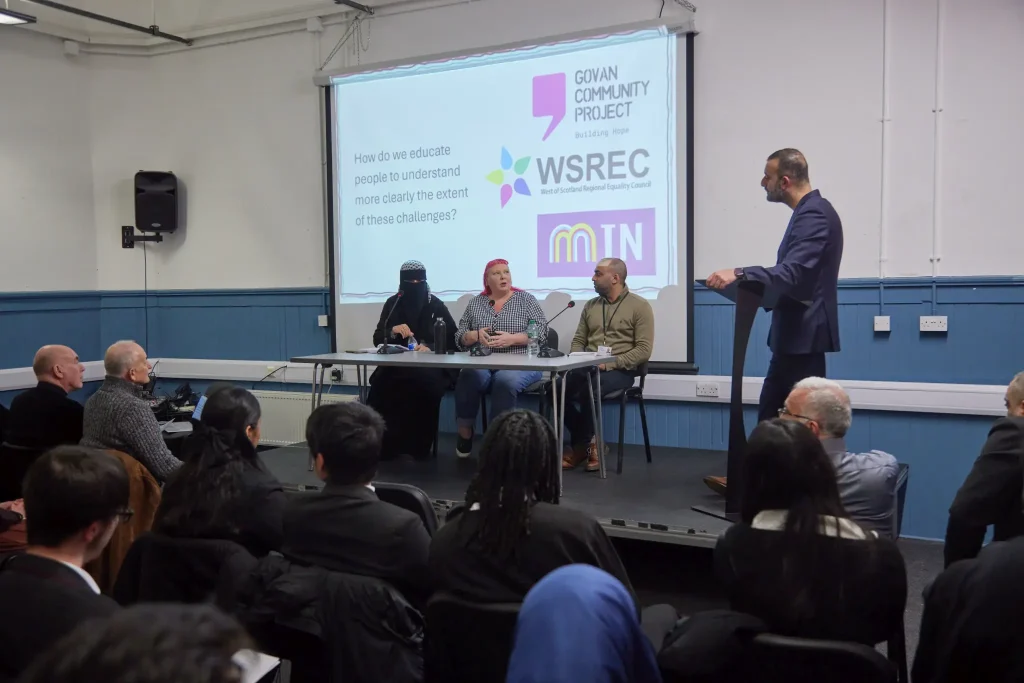
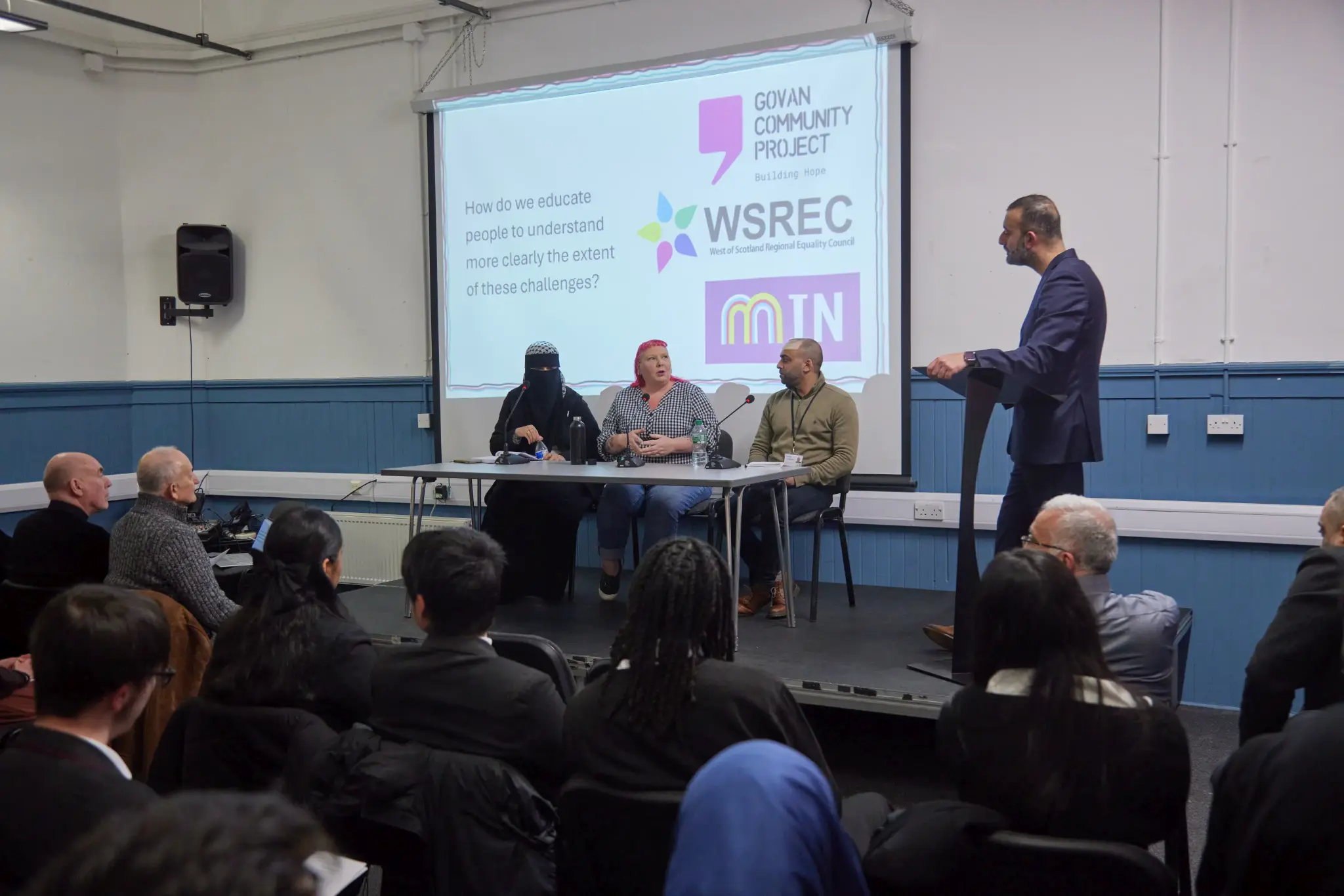
The final part of the evening consisted of a panel of three local organisations, Maryhill Integration Network (Fatma Elaraby), West of Scotland Regional Equality Council (Aneel Bhopal) and Govan Community Project (Traci Kirkland). They were able to shed light on the many issues faced by refugees and asylum seekers which included: the hostility directed at them by the far right, the low wage given to asylum seekers of £9 per week if you lived in a hotel and £48 if you lived in a flat, isolation leading to mental health issues, the increasing dehumanisation of refugees by the Westminster Government, and the loss of social networks. The question was asked: How could change come about? The panelists called for training in campaigning for everyone of good will, putting humanity at the centre not lies on social media and urged us all to get to know refugees and asylum seekers as human beings.
The evening became a celebration of diversity as we realised everyone came from somewhere else. I have a very Scottish name - Duncan MacGregor MacLaren - but my maternal great-grandmother came from Malta as a migrant. We all left that hall feeling that a bit of our humanity had been restored in this “time of our undoing”.
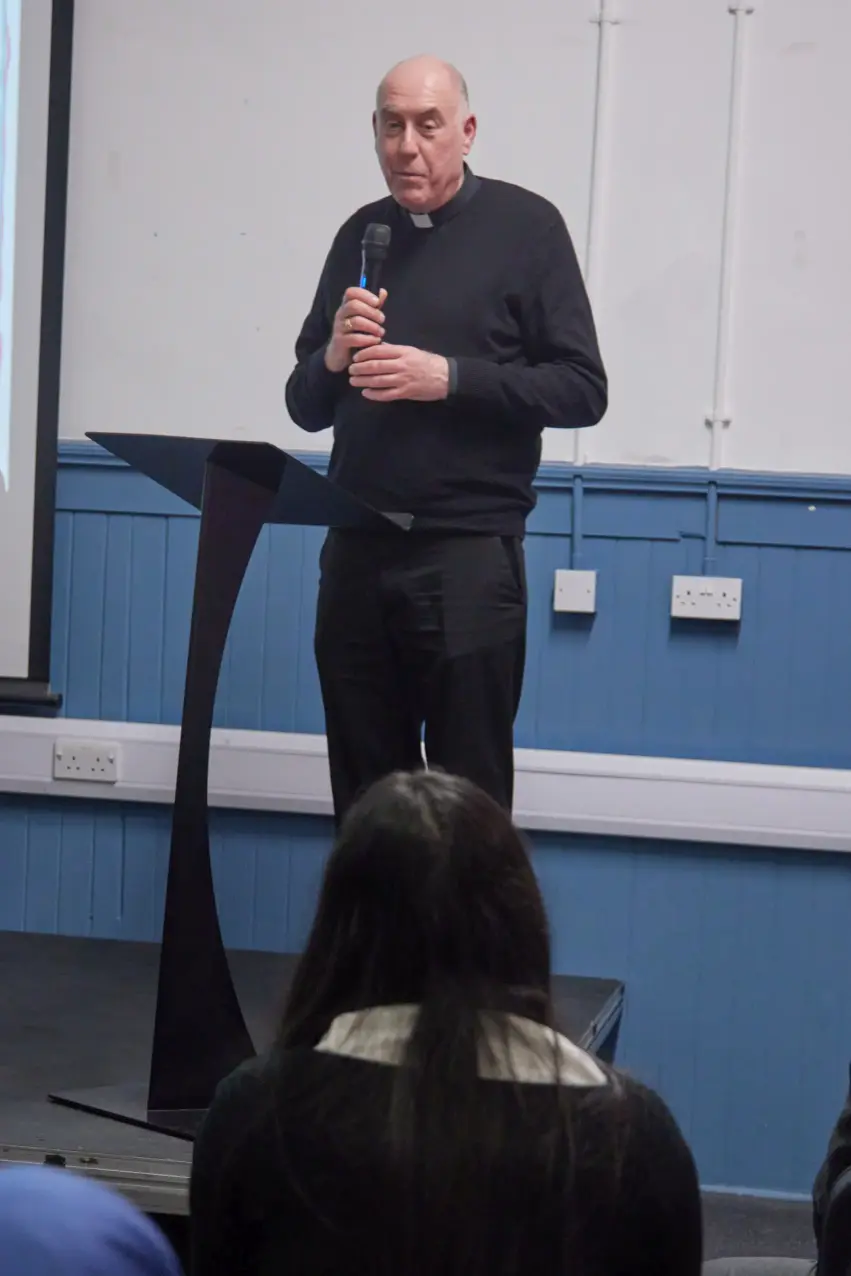
Our thanks to our Ahl Al-Beit friends, Azzam and Ahmed (from Lebanon and Iraq respectively) and their huge team of helpers for their hospitality and hosting us and to the Secretary of the Bishops’ Committee for Inter-religious Dialogue, Joe Sikora (whose father was Czech), member of the Committee, Marian Palister (whose granny hailed from Ireland) and Bishop Brian McGee, President of the Committee, also with Irish roots.
Dr Duncan MacLaren
Representative of the Archdiocese of Glasgow on the Bishops’ Committee for Interreligious Dialogue.
Click on any photo below to enlarge and open a slide show
Human Fraternity Conference 2026 Read More »